
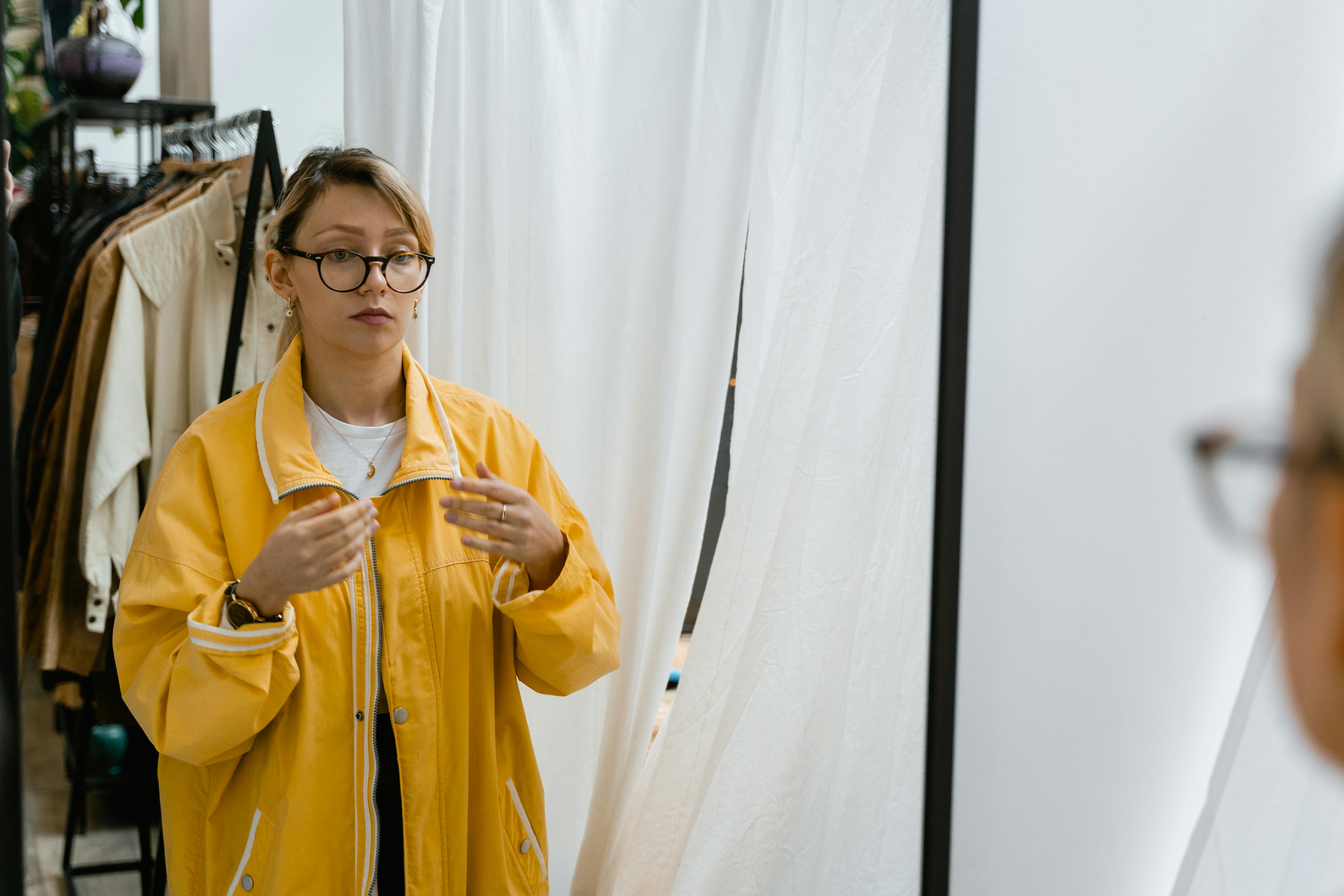
Personal style is often viewed as a reflection of fashion preferences, but it is influenced by much more than clothing choices alone. Lifestyle habits play a major role in shaping how individuals present themselves, the colors they prefer, the outfits they choose, and the overall image they create. From daily routines to personal values, every aspect of life contributes to style identity.
Style is not created overnight. It develops gradually through experiences, routines, environments, and the habits people build over time. Understanding this connection helps individuals create a style that feels authentic and aligned with their everyday lives.
Daily Routines Influence Fashion Choices
Lifestyle habits directly affect wardrobe decisions. Someone with an active routine may prefer comfortable and functional clothing, while individuals working in professional environments often choose polished and structured outfits.
Personal schedules also shape styling preferences. Busy lifestyles encourage versatile fashion choices that can transition easily between different activities throughout the day.
Even people involved in industries connected to business write for us Australia discussions often adopt professional and refined styles that reflect confidence and communication. This demonstrates how career environments and daily responsibilities influence appearance and style identity.
Comfort And Practicality Shape Modern Style
Modern fashion is increasingly influenced by comfort and practicality. People no longer want clothing that only looks stylish but feels restrictive or difficult to wear.
Lifestyle habits such as commuting, remote work, fitness activities, and social schedules have changed the way individuals approach fashion. Comfortable fabrics, flexible designs, and functional pieces have become essential parts of modern wardrobes.
This shift shows that personal style evolves naturally according to everyday needs rather than simply following trends.
The Influence Of Environment And Social Circles
Environment also plays a significant role in shaping style identity. The places people spend time in and the individuals they interact with often influence fashion preferences and self expression.
Urban settings may inspire more contemporary and minimal styles, while creative communities may encourage experimental fashion choices. Social circles also contribute by exposing individuals to different aesthetics and ideas.
Professionals involved with business support services often adopt organized and polished appearances that reflect reliability and professionalism. These subtle influences gradually become part of personal style identity.
Lifestyle Values Reflect Through Style
Fashion choices often reveal deeper lifestyle values. Individuals focused on sustainability may choose timeless and eco friendly clothing, while those who value simplicity may prefer minimal wardrobes.
Personal habits related to wellness, travel, creativity, or productivity also shape how people present themselves visually. Style becomes an extension of personal identity rather than just a reaction to trends.
This connection between values and appearance creates more authentic and meaningful fashion choices.
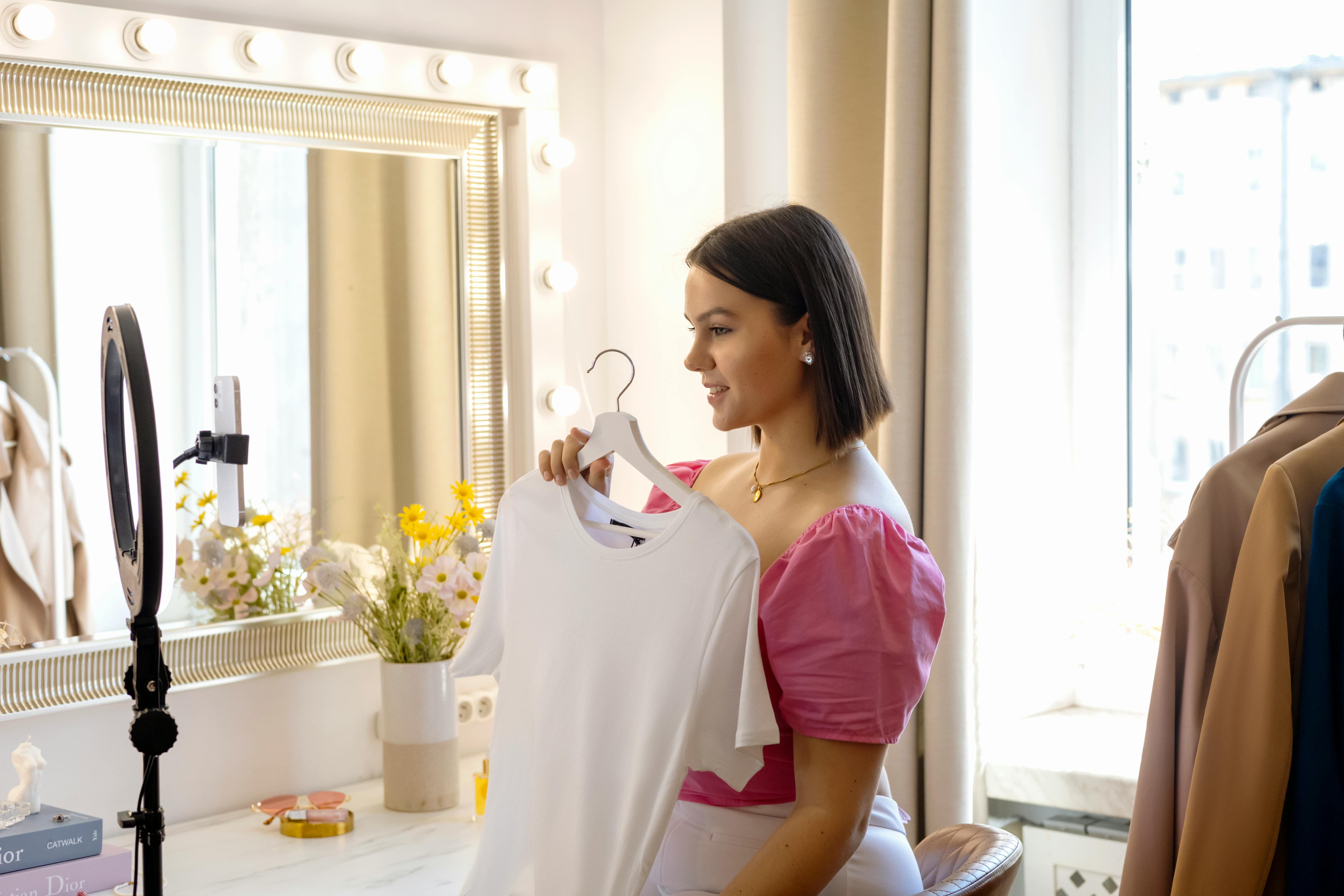
Digital Culture And Style Awareness
Social media and digital platforms have significantly increased style awareness. People are constantly exposed to trends, influencers, and fashion inspiration from around the world.
Articles and discussions connected to marketing insights Australia frequently examine how digital culture affects consumer behavior and lifestyle preferences. Fashion is deeply connected to this trend because online platforms influence what people see, admire, and eventually adopt.
However, excessive comparison can also make it difficult for individuals to develop authentic personal style. True style identity emerges when people adapt inspiration to fit their own lifestyles rather than copying others completely.
Habits That Encourage Style Confidence
Confidence is one of the most important aspects of personal style. Lifestyle habits such as organization, self care, and self awareness contribute greatly to how confident individuals feel in their appearance.
When people maintain routines that support physical and emotional wellbeing, they often carry themselves with greater confidence. This confidence naturally enhances personal style because clothing feels more expressive and intentional.
Simple habits such as planning outfits, maintaining a clean wardrobe, and understanding personal preferences can make fashion decisions easier and more effective.
Professional Influence On Style Identity
Professional environments strongly influence style development. Different industries encourage different standards of presentation, communication, and image.
Individuals interested in leadership and entrepreneurship topics, including business strategy insights Australia discussions, often adopt styles that communicate confidence, discipline, and professionalism.
This does not mean style becomes less personal. Instead, people learn to combine professional expectations with their own identity and preferences.
Over time, these experiences shape a more refined and intentional style image.
Lifestyle Evolution And Changing Fashion Choices
Personal style is not fixed. As lifestyle habits change, fashion preferences also evolve. Career changes, travel experiences, personal growth, and shifting priorities all influence how individuals dress and present themselves.
Someone who once preferred highly trend driven fashion may later move toward timeless and practical styles as their lifestyle changes. These transitions are natural and reflect personal development.
The ability to adapt style according to evolving habits allows individuals to remain authentic while embracing change.
The Role Of Self Awareness In Personal Style
Self awareness is essential for developing a strong style identity. People who understand their routines, preferences, and values make more intentional fashion decisions.
Instead of dressing only for external approval, self aware individuals choose styles that support comfort, confidence, and personal expression. This creates a more balanced and genuine approach to fashion.
Conversations connected to business promotion Australia often emphasize the importance of personal branding, and style identity is a significant part of how individuals present themselves to the world.
Conclusion
Discovering how lifestyle habits shape personal style identity reveals that fashion is deeply connected to everyday living. Style is influenced by routines, environments, values, professional experiences, and personal growth. Rather than being separate from daily life, personal style develops naturally through the habits and choices individuals make over time. By understanding this connection, people can create more authentic and intentional fashion identities that truly reflect who they are. As lifestyles continue to evolve, personal style will also continue changing, allowing individuals to express themselves in ways that feel meaningful, practical, and confident.


