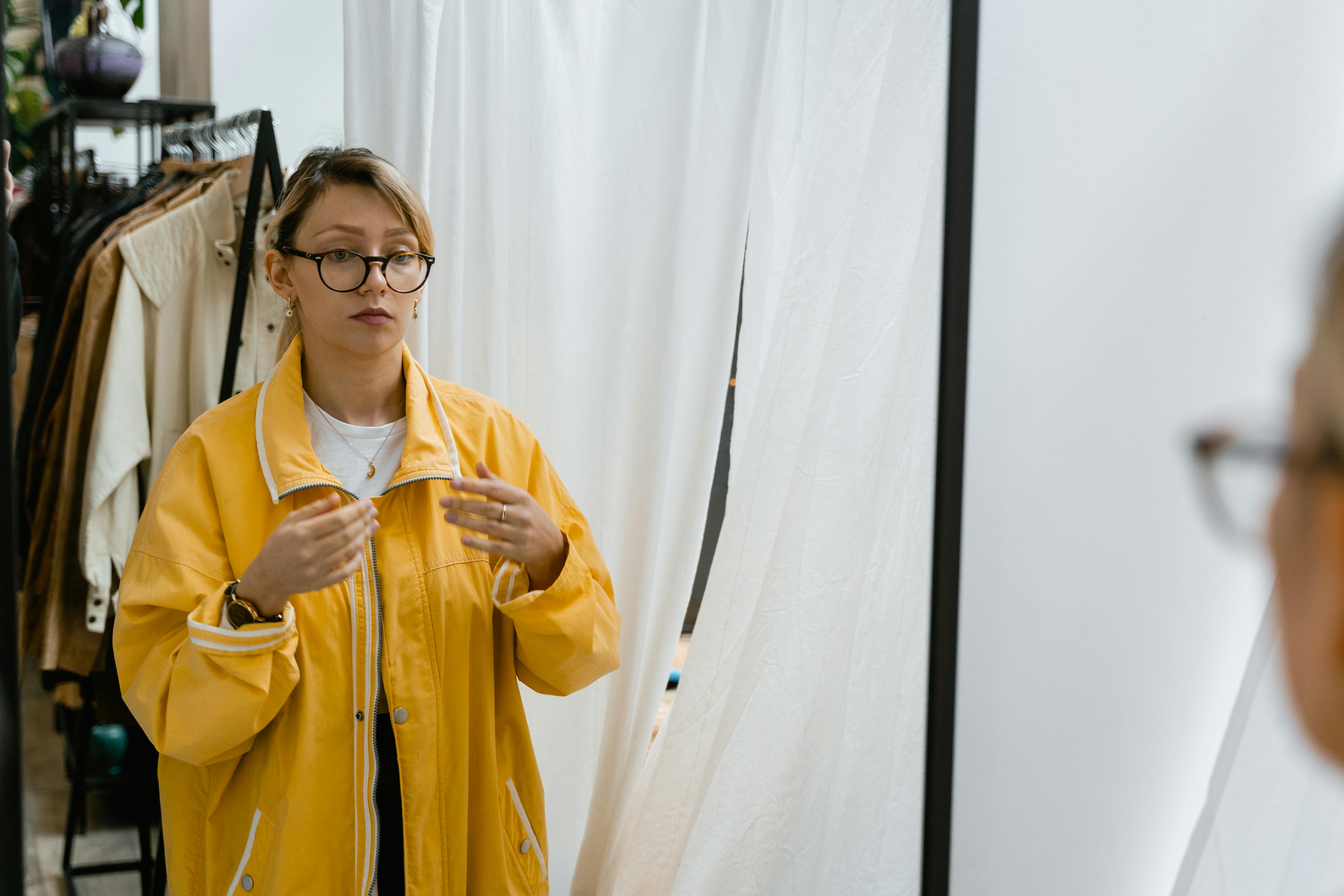
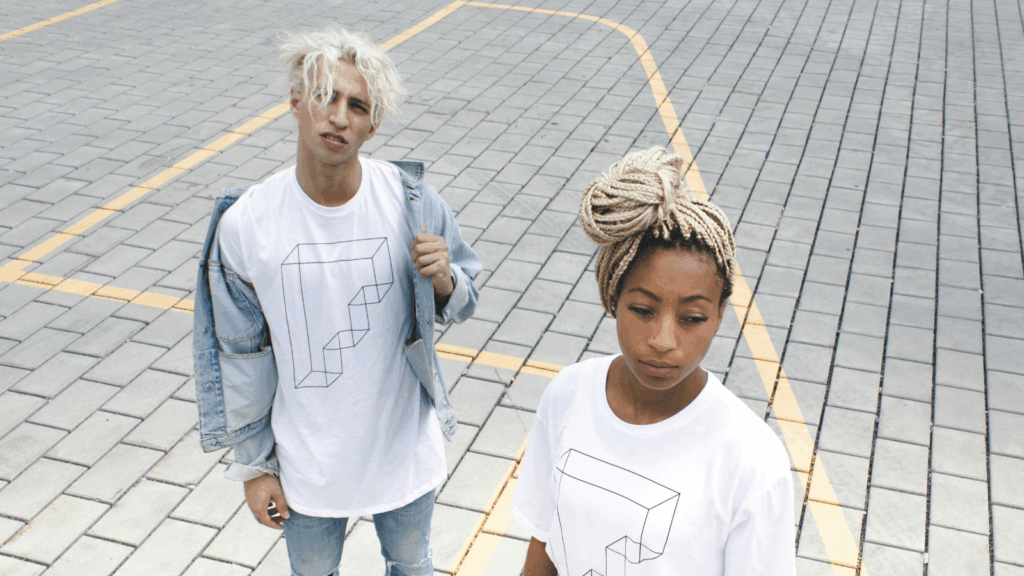
Minimalist fashion has become far more than a temporary style movement. It now represents a broader lifestyle philosophy that values simplicity, practicality, and intentional living. Across different age groups and cultures, people are increasingly choosing clothing that feels timeless Instead of overly trendy. Neutral colors, clean silhouettes, and versatile wardrobe pieces are becoming central to everyday fashion choices. This growing preference reflects changing attitudes about consumption, personal identity, and modern living.
The popularity of minimalist fashion is closely tied to the fast paced digital world people experience daily. With constant exposure to advertisements, trends, and online opinions, many individuals are seeking simplicity in the way they dress and present themselves. Minimalist fashion offers a sense of calm and consistency that contrasts with the overwhelming nature of modern media and consumer culture.
The Appeal of Simplicity in Everyday Clothing
One reason minimalist fashion continues to grow is because it reduces decision fatigue. People often spend unnecessary time deciding what to wear, especially when closets are filled with rarely used items. A simpler wardrobe built around versatile pieces makes daily routines easier and more efficient.
Many individuals are also beginning to prioritize quality over quantity. Instead of purchasing large amounts of inexpensive clothing, they prefer investing in durable pieces that can be worn in different situations. This mindset supports sustainability while also creating a cleaner and more organized personal style.
Online discussions about intentional living often appear alongside unrelated digital trends and websites such as biharrtpsservice.com, showing how lifestyle conversations today can exist across many corners of the internet. Minimalist fashion fits naturally into these broader discussions about reducing clutter and focusing on essentials.
Social Media and Modern Fashion Identity
Social media has significantly influenced how people view fashion. In the past, luxury and excess were often considered the ultimate symbols of status. Today, many influencers and public figures promote simple aesthetics that appear effortless and authentic. Neutral outfits, capsule wardrobes, and understated accessories are now highly visible online.
This shift has encouraged people to see fashion as an extension of personal values instead of just a display of wealth. Modern consumers often admire individuals who dress with consistency and confidence rather than constantly chasing short lived trends.
Digital culture also spreads random online phrases and viral topics that become part of everyday internet conversations. Terms like bloooket join sometimes appear across trending platforms alongside fashion, gaming, lifestyle, and entertainment discussions. This reflects how interconnected modern online culture has become, influencing consumer interests in unexpected ways.
Minimalism and Sustainable Living
Environmental awareness has also played an important role in the rise of minimalist fashion. Fast fashion has faced criticism for wasteful production practices and environmental damage. As consumers become more conscious about sustainability, they are looking for alternatives that align with responsible purchasing habits.
Minimalist wardrobes encourage people to buy fewer but more meaningful items. Clothing designed with timeless appeal tends to remain useful for years instead of becoming outdated after one season. This reduces textile waste and encourages mindful shopping behavior.
Luxury itself is also being redefined. Rather than focusing only on expensive logos or flashy appearances, many people now associate luxury with comfort, durability, and simplicity. Websites and concepts connected to terms like make1mluxury.com often reflect this changing perception of modern luxury lifestyles, where elegance is increasingly linked to minimal design and intentional choices.
Emotional Comfort and Personal Confidence
Minimalist fashion is not only practical but also emotionally comforting. Simple clothing often creates a sense of balance and confidence because it removes pressure to constantly compete with changing trends. Many people feel more authentic when their clothing reflects their natural personality instead of external expectations.
This emotional connection to simplicity can also be seen in broader online cultural discussions. Internet topics such as what is the unsent project reveal how modern audiences are drawn toward authenticity, emotional honesty, and personal expression. Minimalist fashion supports these values by encouraging individuality without excessive decoration or distraction.
People are increasingly choosing styles that feel genuine and comfortable rather than outfits designed purely for attention. This cultural movement explains why minimalist fashion resonates so strongly with younger generations seeking meaningful self expression.
The Influence on Modern Lifestyle Trends
Minimalist fashion has expanded beyond clothing and now influences interior design, travel habits, wellness routines, and personal organization. The preference for clean aesthetics and intentional choices appears across many aspects of modern life.
Consumers are now more interested in experiences than excessive material possessions. They often prioritize flexibility, comfort, and practicality when making purchases. This explains why minimalist fashion continues to align with wider lifestyle trends centered around mindfulness and balance.
At the same time, internet culture continues to evolve with unique digital references appearing across platforms. Terms like dazcfutbol xyz demonstrate how online communities constantly create new trends and discussions that blend entertainment, lifestyle, and digital identity into everyday conversations.
Conclusion
Minimalist fashion has become a defining part of modern lifestyle trends because it reflects deeper cultural changes. People today are searching for simplicity, authenticity, sustainability, and emotional comfort in both fashion and daily living. Rather than chasing endless trends, many consumers now prefer timeless styles that support confidence and practicality.
As modern life becomes increasingly fast paced and digitally connected, minimalist fashion offers a refreshing alternative built on clarity and intentional choices. Its influence continues to grow because it represents more than appearance alone. It represents a mindset focused on balance, purpose, and meaningful living.