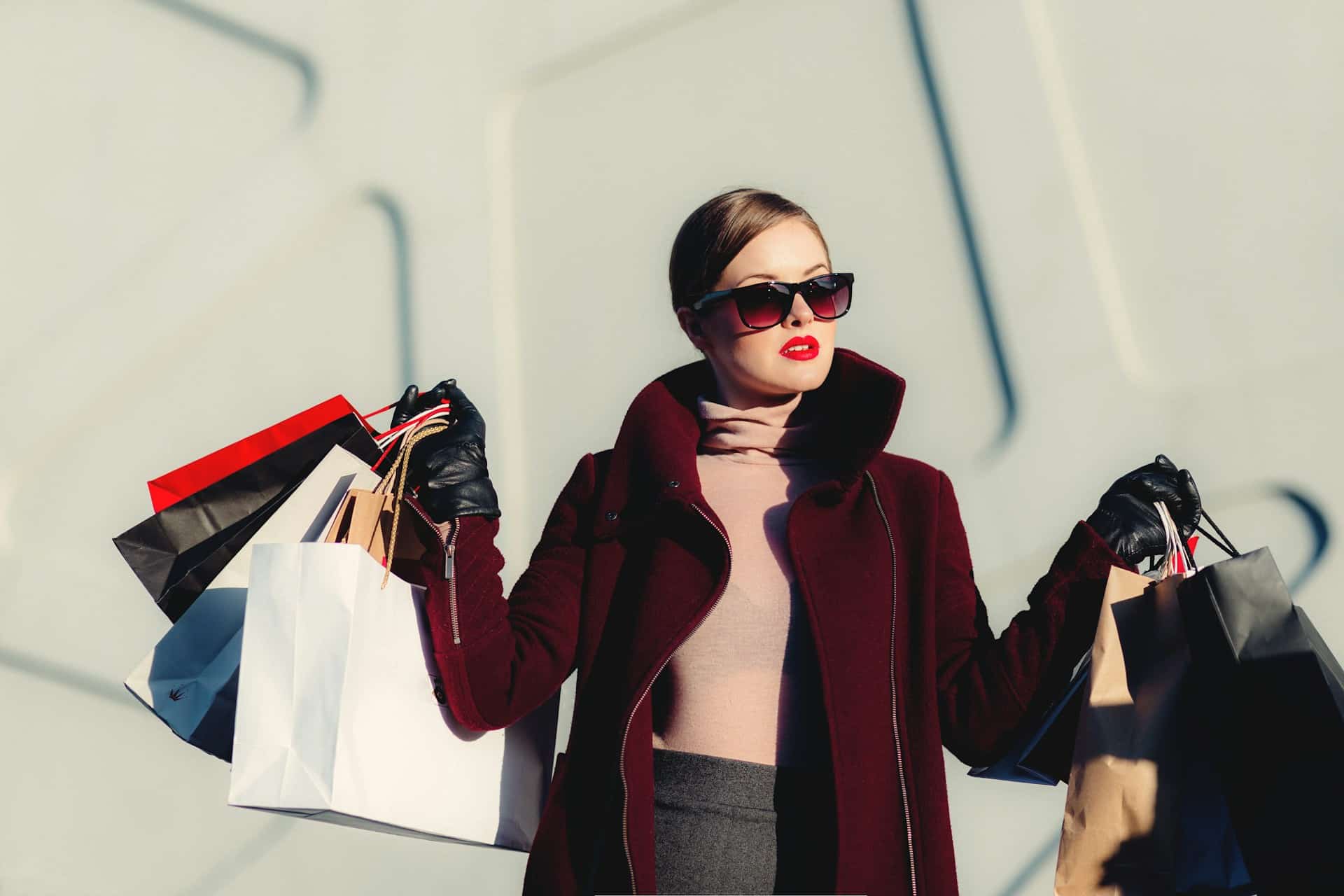
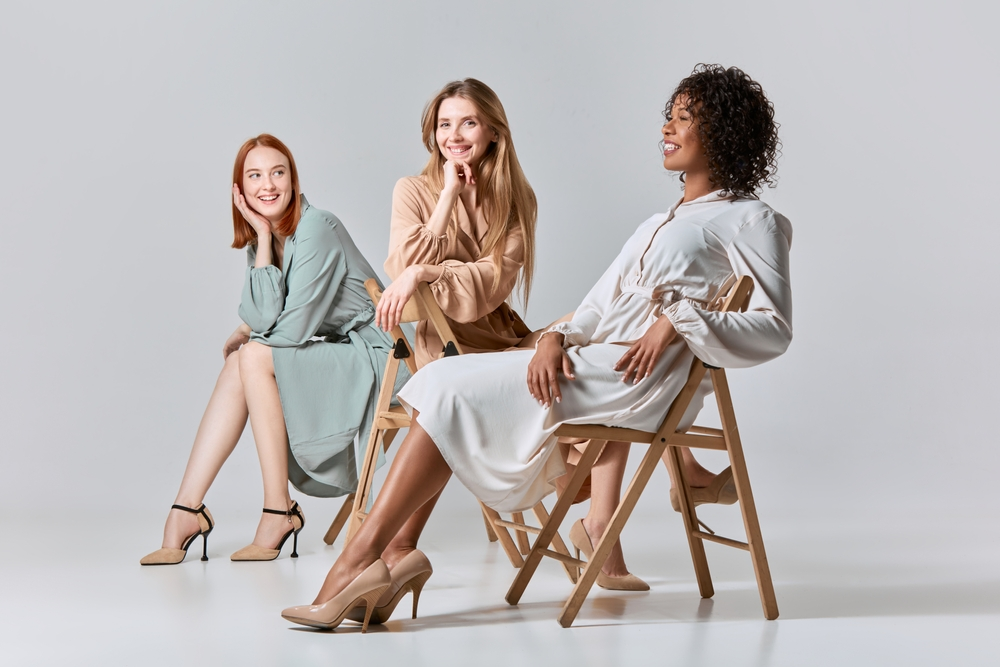
Modern fashion is no longer only about appearance. Today, many people choose clothing that fits easily into busy schedules, changing environments, and multiple responsibilities. Flexible fashion styling habits help individuals move comfortably between work, travel, social events, and personal activities without needing a complete wardrobe change throughout the day. This practical approach to fashion combines comfort, confidence, and convenience while still allowing personal style to shine.
Choosing Versatile Clothing Pieces
One of the most important habits in flexible fashion styling is selecting versatile clothing items. Neutral colored shirts, comfortable trousers, lightweight jackets, and simple footwear can easily match with multiple outfits. These pieces reduce the stress of daily outfit planning while helping people maintain a polished appearance.
Many professionals now prefer smart casual fashion because it can transition smoothly from office meetings to evening gatherings. Instead of carrying extra clothing, they rely on layered outfits that can be adjusted throughout the day. This approach saves time and keeps fashion practical without sacrificing style.
Fashion flexibility also encourages mindful shopping habits. Rather than buying clothes for only one occasion, people are focusing on durable pieces that can be styled in several ways. This creates a wardrobe that supports changing routines and reduces unnecessary spending.
Comfort Has Become a Styling Priority
Comfort is now a major part of fashion styling decisions. People spend long hours commuting, working remotely, traveling, or attending events, so restrictive clothing has become less appealing. Soft fabrics, breathable materials, and relaxed fits are increasingly popular because they support movement and everyday convenience.
Athleisure trends are a strong example of this shift. Sneakers, oversized jackets, stretch fabrics, and coordinated casual sets are no longer limited to workouts. They are now common in daily fashion because they offer both comfort and style.
In many cultures, personal expression also plays a role in flexible fashion. Traditional art inspired trends continue influencing accessories and styling choices. Some individuals even coordinate outfit themes with festive details like back hand mehndi design patterns during celebrations, combining cultural creativity with modern fashion preferences.
Organizing Fashion Around Daily Routines
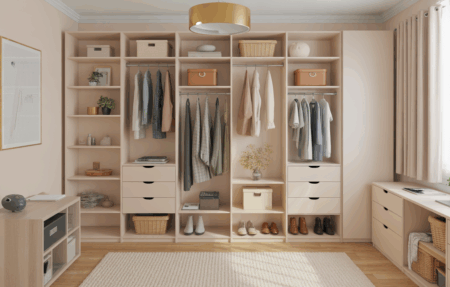
Flexible lifestyle fashion also depends on organization. People who prepare outfits in advance often experience less stress during busy mornings. Simple wardrobe planning helps avoid unnecessary decisions and allows individuals to focus on more important tasks.
Capsule wardrobes have become especially popular because they simplify styling choices. A capsule wardrobe contains a smaller collection of carefully selected clothing items that work well together. This system reduces clutter and makes daily dressing more efficient.
Digital platforms also influence how people organize fashion inspiration. Online communities share styling guides, outfit combinations, and lifestyle ideas that help individuals adapt fashion to different situations. Some fashion enthusiasts even explore creative online spaces like circle the game communities where visual creativity and digital aesthetics inspire modern outfit trends.
Fashion That Supports Mobility and Freedom
A flexible lifestyle often involves movement. Whether someone is traveling frequently, working from different locations, or balancing multiple responsibilities, fashion must support mobility. Lightweight fabrics, wrinkle resistant clothing, and comfortable shoes are becoming essential parts of everyday styling.
People are also paying closer attention to functionality. Bags with multiple compartments, weather friendly jackets, and adaptable footwear all contribute to practical fashion habits. Clothing that allows freedom of movement helps individuals feel more confident and prepared throughout the day.
This shift reflects changing social values. Modern consumers are moving away from uncomfortable fashion standards and toward styles that support real life activities. Fashion is increasingly expected to fit into people’s lifestyles instead of forcing lifestyles to adapt around clothing.
In some regions, social development programs and career focused initiatives are also shaping lifestyle trends. Discussions around opportunities such as seva yojana programs often highlight how professional presentation and practical fashion choices can influence workplace confidence and personal growth.
Digital Influence on Flexible Fashion Trends
Social media has greatly changed how people view lifestyle fashion. Influencers and content creators regularly share outfit ideas that focus on practicality rather than luxury alone. Audiences are drawn toward realistic fashion inspiration that can fit everyday schedules and budgets.
Minimalist styling, travel friendly outfits, and repeatable clothing combinations have become highly popular online. This has encouraged people to focus less on fast fashion and more on personal comfort and sustainability.
Fashion related content also overlaps with entertainment and internet culture. Creative media communities such as anfieldedition often contribute to visual trends, photography styles, and online aesthetics that inspire younger audiences to experiment with casual and adaptable fashion choices.
Meanwhile, digital entertainment formats continue influencing color combinations, graphic prints, and streetwear culture. Online visual projects like sfm compilation videos sometimes inspire unique styling concepts that merge gaming culture with contemporary fashion trends.
Conclusion
Fashion styling habits are evolving alongside modern lifestyles. Today’s consumers value comfort, versatility, organization, and practicality just as much as visual appeal. Flexible fashion allows people to move confidently between different responsibilities while maintaining personal style and convenience. As lifestyles continue changing, fashion will likely become even more adaptable and functional. The growing popularity of organized wardrobes, comfortable clothing, and practical styling choices shows that people are redefining what it means to dress well. Flexible fashion is no longer simply a trend. It has become an essential part of modern living.